Meeting Workflow Automation: From Invite to Follow-Up

Not long ago the majority of business meetings were held in-person with ideas passed around verbally. Attendees were mostly left on their own to take notes all while trying to keep up with a complex and dynamic conversation. In many cases no documentation of the meeting was left behind at all - as if it never happened. It was all too easy for critical points of the conversation to be held only in the memory of the people who were there, or worse yet, forgotten forever. Paper notes get lost. Whiteboards get erased. Information gone.
But everything changed recently. Two important factors have forever changed how business meetings are conducted, and by 2026 AI meeting assistants have become standard equipment for most teams—quietly joining calls, capturing every detail, and turning conversations into action. We’ll never go back to the way things were.
Natural Language Processing Technology (NLP)
There have been massive leaps in technology around software that processes human speech. Although the simple act of recognizing words is not new, such as speaking your account number on a customer support call or saying ‘speak to an agent’ - this is merely matching sound patterns. What natural language processing has done is not only recognize words, but understand the intent of the speaker including inflection and even nuanced grammar such as the comical subtle difference between “Let’s eat, Grandma” and “Let’s eat Grandma”. The possibilities of what NPL has to offer are endless.
Meetings Have Become Virtual
In 2020, many companies temporarily sent much of their workforce home to work remotely. It didn’t take long for this temporary solution to change into a permanent shift in company culture, and many employees have never returned to the office. Today, virtual and hybrid meetings are the default, and in 2026 it is not unusual for an employee to attend a meeting virtually even from within the same building. Unfortunately, meetings held virtually have only served to exacerbate the problem of fragmented documentation as now attendees can be scattered around the globe and meeting notes are just that much more difficult to find.
Welcome to the Intelligent Meeting Assistant
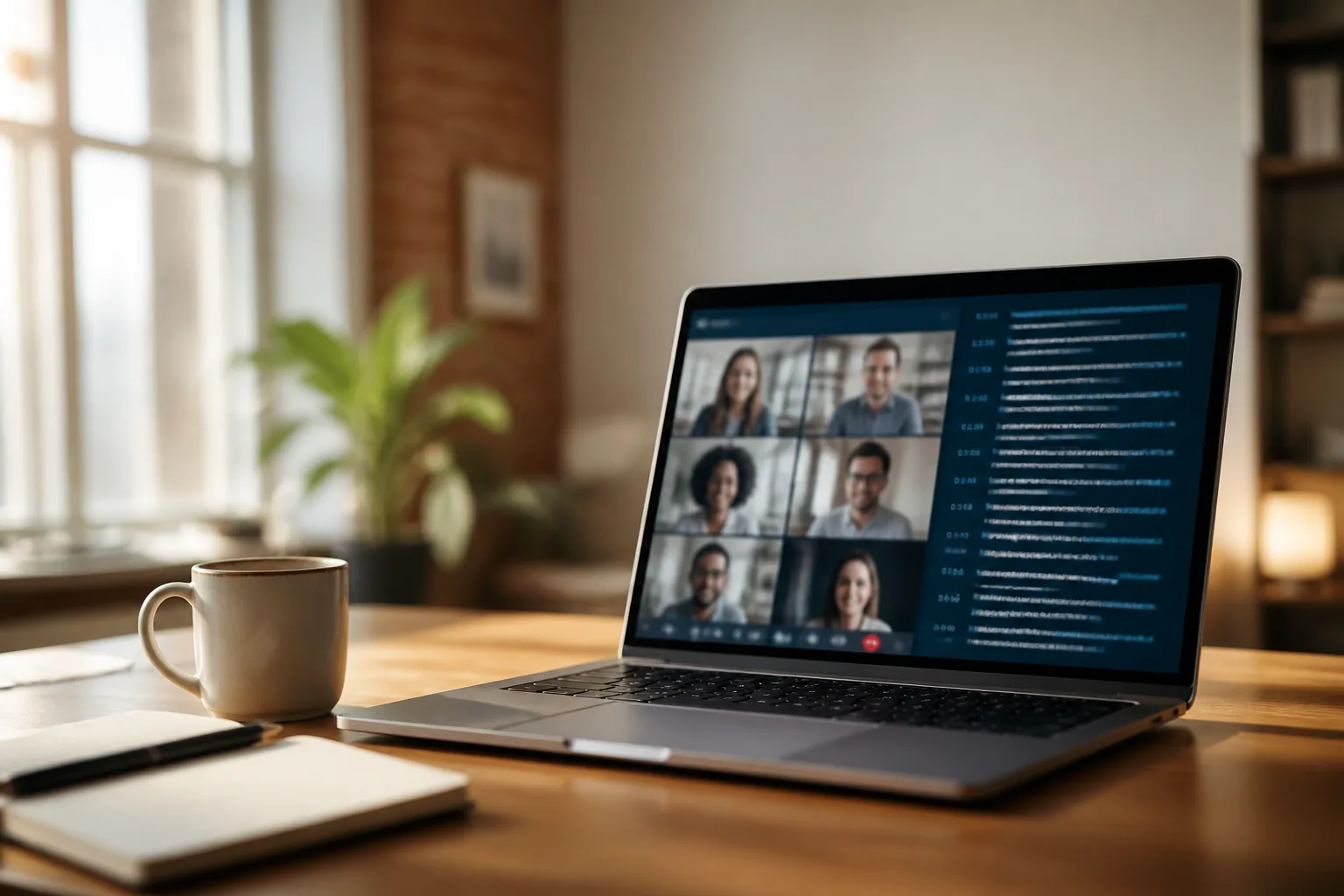
Imagine a world where a digital meeting assistant took notes during every important conversation. This digital assistant had the intelligence to parse data, transcribe, extract insights, and organize the information in an easy and searchable format. Every meeting, phone call, video chat or other conversation could be archived and called up months or even years from now. Would you ever have an important conversation again without your intelligent meeting assistant?
Laxis provides an end-to-end intelligent meeting assistant solution that does all of this and more. It allows for the creation of personalized meeting templates for different types of businesses and needs. During the conversation you can create follow up notes with the click of a button, milestone tracking, tools for holding contributors accountable, transcribing, tagging and other real-time information processing. And perhaps best of all, this information can all be stored in a central repository for anyone to access.
This only begins to scratch the surface of what the Laxis platform has to offer. In 2026, with AI meeting assistants now woven into everyday workflows, the question is no longer whether to adopt one but how quickly you can make it part of your team’s routine. With simple and transparent pricing that puts this powerful tool within anyone’s reach, this just might be the gamechanger you have been waiting for.
Frequently Asked Questions
What is an intelligent meeting assistant?
An intelligent meeting assistant is an AI tool that takes notes during conversations, transcribes speech, extracts insights, and organizes everything into an easy, searchable format. Unlike basic recording, it uses natural language processing to understand the intent behind what is said, not just the words. Laxis offers an end-to-end intelligent meeting assistant that captures, organizes, and stores your conversations so nothing important is forgotten.
How does natural language processing help meeting assistants?
Natural language processing lets an assistant move beyond simple word recognition to understand the speaker's intent, including nuance and context. This means the assistant can interpret meaning rather than just matching sound patterns, producing far more useful notes and insights. It is the technology that allows Laxis to turn raw conversation into structured, meaningful records.
Can I store and retrieve past meetings with Laxis?
Yes. Laxis stores your transcripts, notes, and insights in a central repository that anyone with access can search and revisit. This means a conversation from months or even years ago can be called up quickly instead of living only in someone's memory or lost on a whiteboard. Centralized, searchable records prevent the fragmented documentation that virtual meetings often create.
Is an intelligent meeting assistant worth it for my team?
For teams that rely heavily on virtual and hybrid meetings, an intelligent meeting assistant prevents lost information and keeps everyone aligned with a shared, searchable record. Laxis adds personalized templates, milestone tracking, real-time tagging, and one-click follow-up notes, with transparent pricing that keeps it accessible. The real question is no longer whether to adopt one, but how quickly you can make it part of your routine.