Real-Time Meeting Translation: How Well It Actually Works

In 2026, with distributed teams and cross-border collaboration now the norm, the need for effective communication across language barriers has never been more critical. Advanced artificial intelligence technologies, such as those used by Laxis, are paving the way for groundbreaking changes in how we conduct multilingual meetings.
**The Challenge of Language Barriers:**Language differences can create significant challenges in global business environments, leading to misunderstandings and inefficiencies. Traditional solutions have often been cumbersome and slow, involving manual translation and interpretation that can hinder the flow of conversation and delay decision-making.
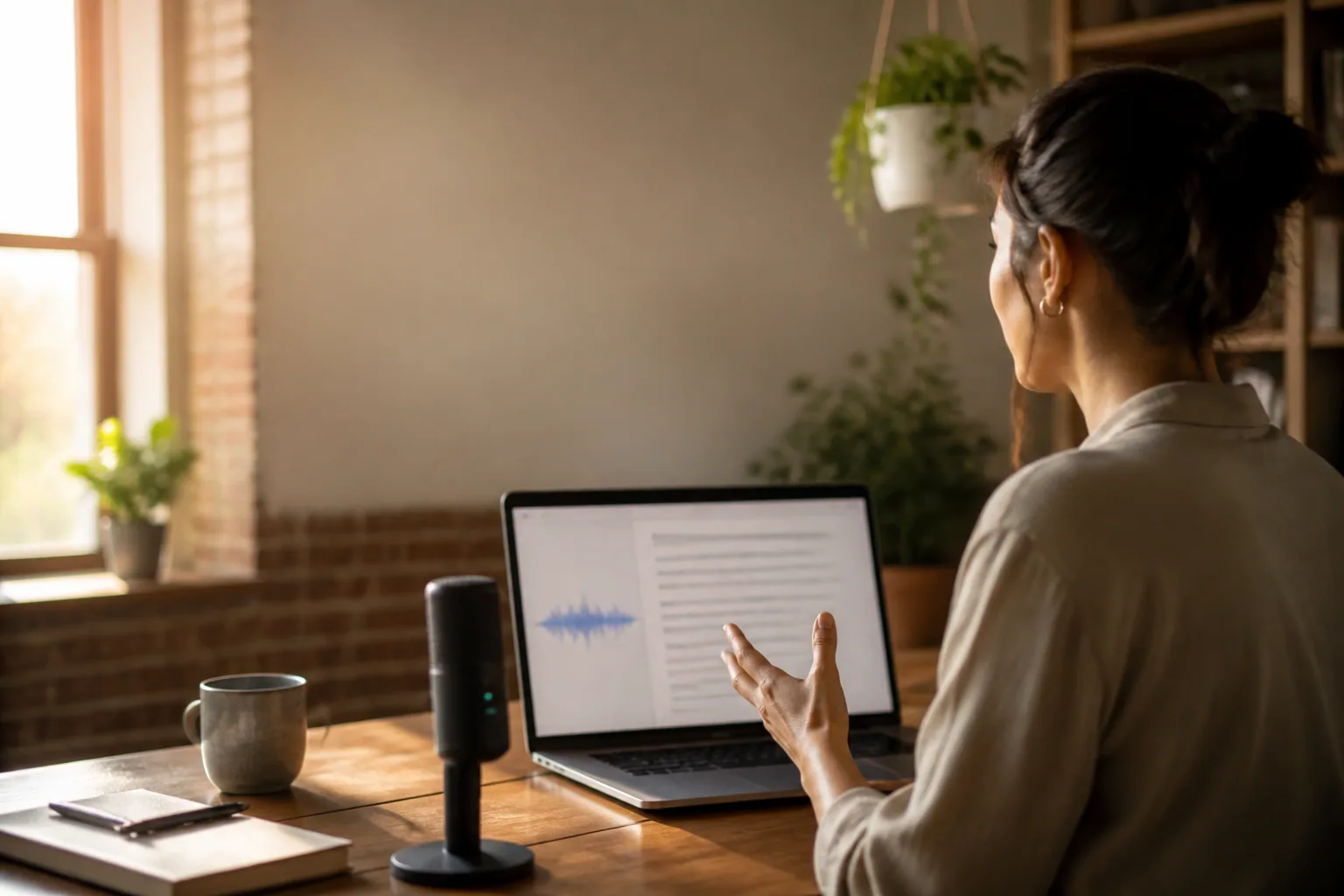
**AI-Powered Solutions:**Enter artificial intelligence. AI technologies like Laxis leverage sophisticated algorithms to offer real-time transcription and language detection capabilities. These tools can instantly translate spoken language into text in multiple languages simultaneously, ensuring that all participants understand the discussion, regardless of their native tongue.
Features and Benefits of AI in Meetings:
- Real-Time Transcription: Instantly converts speech into text, allowing participants to follow along in their preferred language.
- Language Detection: Automatically detects the language being spoken without needing manual input, streamlining the process and reducing setup time.
- Accuracy and Speed: AI improves over time, learning from its translations to provide more accurate and rapid results.
- Scalability: AI can handle anything from small team meetings to large international conferences with the same ease.
**Laxis: A Case Study in Innovation:**Laxis exemplifies this technology's potential. Designed to support 41 languages, it allows users to select their preferred languages for transcription. For business plan users, Laxis even automatically detects and switches between up to five different languages during a meeting, a feature that is invaluable for international companies. By 2026, this kind of on-the-fly multilingual handling has shifted from a novelty to a baseline expectation for teams running meetings across regions.
**The Future is Here:**As AI adoption accelerates across global teams in 2026, the scope of its impact only broadens. We are moving towards a world where language barriers in business and personal interactions are a thing of the past, making true global collaboration possible.
AI is not just changing the way we conduct meetings; it is revolutionizing our ability to communicate across cultures and languages. With AI like Laxis, the future of multilingual meetings is here, breaking down global barriers and opening up new opportunities for international cooperation.
Frequently Asked Questions
How does AI help with multilingual meetings?
AI helps multilingual meetings by providing real-time transcription and language detection, so participants can follow the discussion in their preferred language. Tools like Laxis convert speech into text instantly across multiple languages, ensuring everyone understands the conversation regardless of their native tongue. This removes the delays and misunderstandings that come with manual translation.
How many languages does Laxis support?
Laxis is designed to support 41 languages, and users can select their preferred languages for transcription. This wide coverage makes it well suited for distributed teams and international companies that regularly hold meetings across different regions and language groups.
Can Laxis detect and switch between languages automatically during a meeting?
Yes. Laxis offers automatic language detection, so you do not have to set the spoken language manually. For business plan users, Laxis can automatically detect and switch between up to five different languages within a single meeting, which is especially valuable for international teams.
Why is real-time transcription important for global teams?
Real-time transcription lets every participant follow along in text as the conversation happens, reducing misunderstandings and keeping discussions moving. For global teams, this means faster decision-making and smoother collaboration, since language differences no longer slow down the flow of the meeting. Laxis scales this from small team calls to large international conferences.